
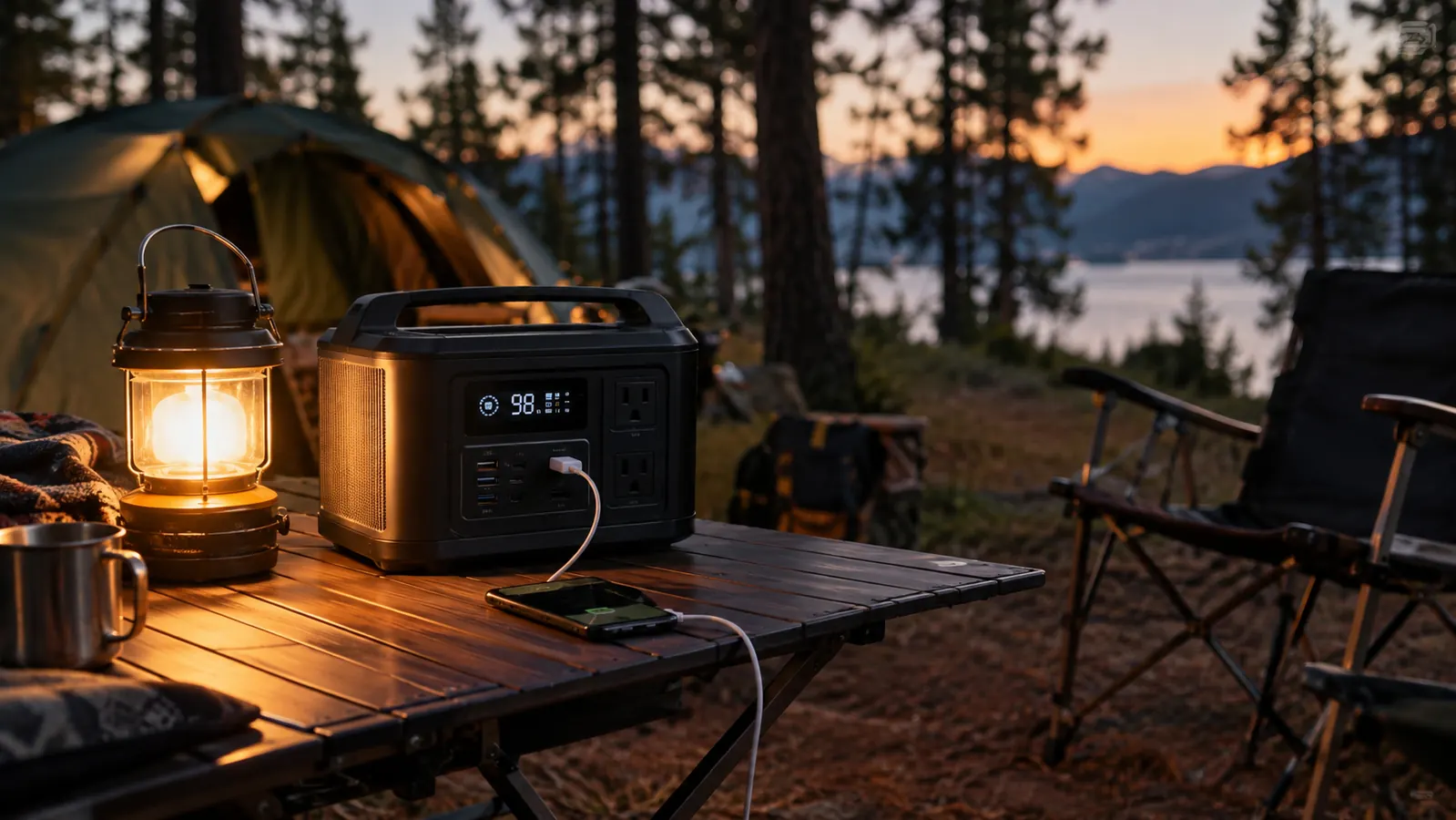
Every fall I watch the same scene play out in the campground. Someone drags a generator out of the back of a pickup, runs fifty feet of extension cord, and then spends the whole weekend trying to hear the canyon over the hum of it. I used to be that someone. The thing weighed about sixty pounds, needed its own gas can, and got parked as far from the tent as the cord would reach. Then a friend lent me her Jackery Explorer 300 for a weekend in the eastern Sierra, and I have not carried a generator since.
Ray and I camp about fifteen weekends a year out of plastic bins in the back of our 2016 4Runner, mostly in northern Arizona, southern Utah, and the eastern Sierra. Most of what we pack runs on a USB plug or a 12-volt port. The generator was overkill for every one of those trips, and the power station has replaced it completely. Here are the ten reasons we switched, in the order I would give them to a friend in a trailhead parking lot.
Leave the gas can at home
The Jackery Explorer 300 charges our phones, runs a camp light and a small fan, and weighs about 7 pounds. It fits in a bin in the back of the 4Runner. Check today's price on Amazon to see where it lands.
Amazon Check Today's Price on Amazon →The 10 Reasons
You do not haul 60 pounds for a weekend
My old generator weighed more than my camp chair, my kitchen bin, and my daypack combined, and it was the first thing out of the car and the last thing back in. The Jackery Explorer 300 comes in around 7 pounds, light enough that I can carry it in one hand from the back of the 4Runner to the camp table. That matters more to me now that my right knee complains about extra trips. It also means I do not have to plan where we park based on how far I can drag a generator through the dirt.
No gas, no oil, no pull cord
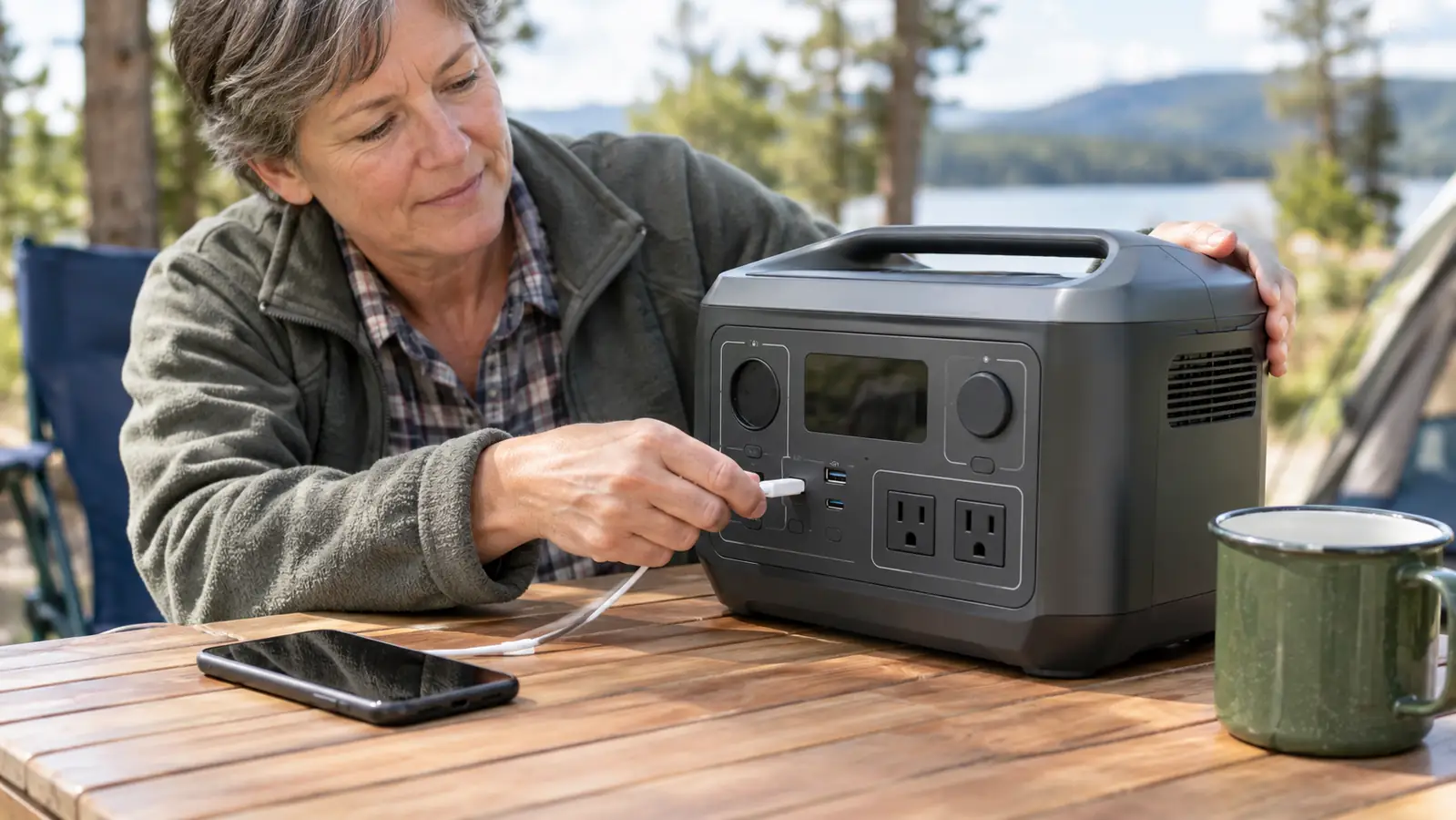
A generator needs gasoline, oil changes, and a pull cord that floods on the first cold morning of the season. It also needs a place to store the gas can between trips, which in our garage meant a corner that always smelled faintly of fuel. The power station charges from a wall outlet in about eight hours, or from the 12-volt port in the car while we drive to the trailhead. There is nothing to spill, nothing to winterize, and nothing to argue with at 7 a.m. when you just want coffee.
You can hear the canyon again
The whole reason we camp is the quiet. My generator produced a steady drone that carried across the entire site, and it ran whenever we wanted power, which meant it ran during dinner, during cards, during the part of the evening I actually wanted to hear the creek. The Jackery makes no sound at all while it powers the fan or charges the phones. The only noise at our site is whatever we bring with us, and after a decade of generators, that alone was worth the switch.
It can sit inside the tent with you
Generators produce carbon monoxide, so they live outside in the weather with a cord running to everything you need. A power station has no exhaust, so ours sits in the vestibule of the tent on rainy nights while we run a small fan and charge our phones. For anyone who camps in monsoon country, that is a real comfort, not a spec-sheet bullet. It also means no more tripping over an extension cord in the dark on the way to the fire ring.
One charge covers a full weekend
The Explorer 300 stores 292 watt-hours. In real use, that runs two phones, a small LED lantern, and a USB fan for a three-day weekend, with charge left over to top off Ray's camera batteries. I have never once hit empty at camp. On trips where we use more, the car charger tops it off while we drive to the next trailhead. The capacity math has never been the thing I worry about, and that is exactly what I want from gear.
It charges from the car, so you always leave full
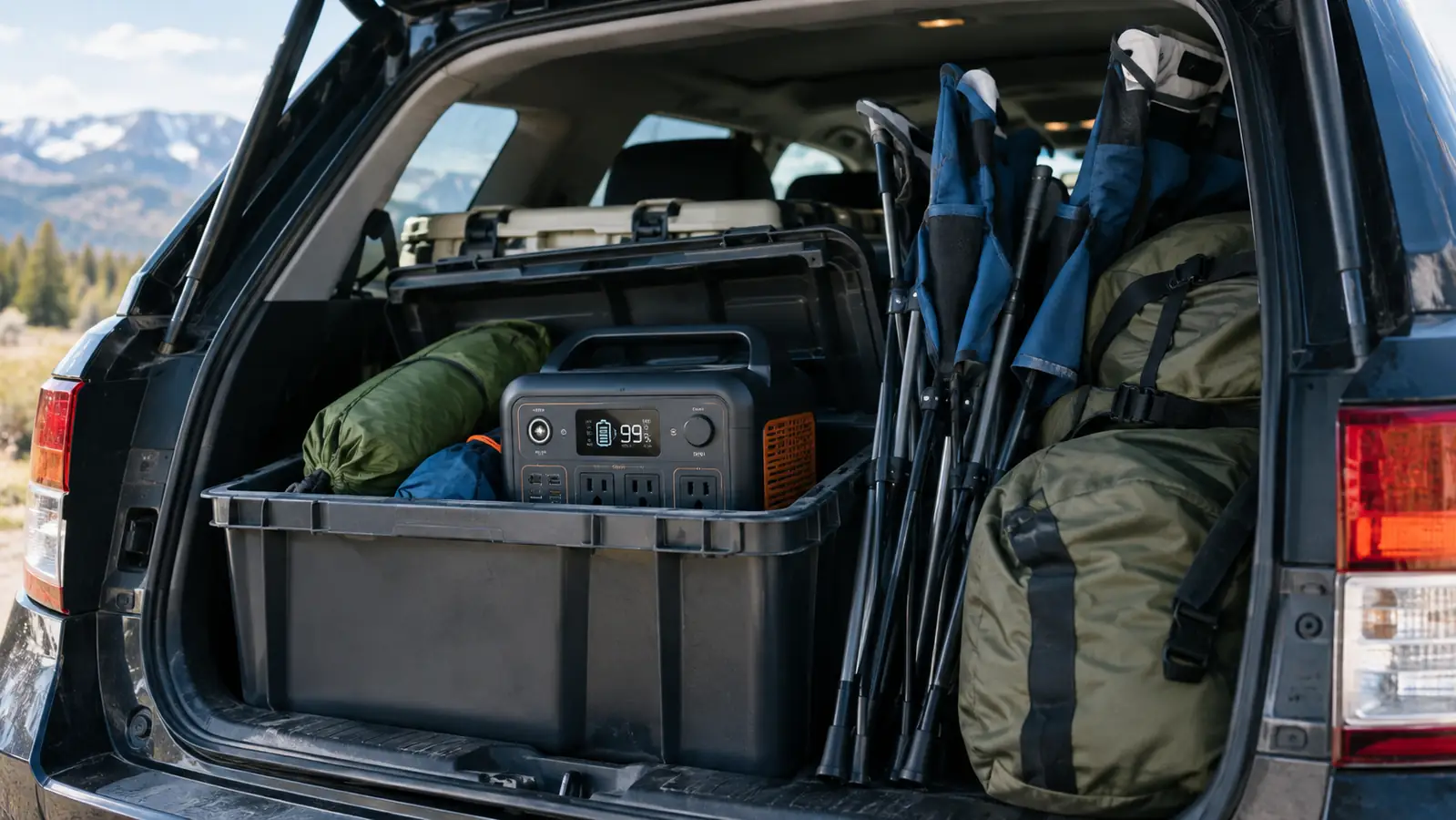
Our 4Runner has a 12-volt outlet in the back, so I plug the Jackery in on the drive to the trailhead and it arrives full. That means I do not have to remember to charge it the night before, and I would absolutely forget to charge it the night before. A generator cannot charge from a vehicle. It only drains your gas tank, and you find out halfway through the weekend that you underestimated how much fuel a noisy night of power actually takes.
The AC outlet runs real appliances
Most people think of these as giant phone chargers, but the Explorer 300 has a 300-watt AC outlet. That is enough for a small electric cooler, a fan, a laptop, or a CPAP machine. We run a small fan on warm nights and it draws maybe a third of the battery. The AC outlet is the difference between a power bank and a generator replacement, and it is the reason this unit, rather than a cheaper battery pack, sits in our bin.
Zero maintenance between trips
Generators sit in the garage and slowly decay. The gas goes stale, the carburetor gums up, and the first trip of the season becomes a repair project that eats a Saturday. The Jackery sits in a bin and holds its charge. When I pull it out in May after a winter in the garage, it still works. I do not plan my season around maintenance anymore, and I do not budget for fuel.
Quiet enough to keep the neighbors happy
Campground hosts have opinions about generators. Most sites have quiet hours, and a growing number have banned them entirely, so you never know until you arrive whether your gear is welcome. A power station is not a generator, so it slides past the rule and the dirty looks. We have camped next to the same families all weekend without anyone once asking us to turn anything down, and that alone makes for a better trip.
It earns its keep at home between trips
The thing I did not expect: the Jackery lives in our garage and works all year. When the power flickered during a winter storm, it ran our router and a lamp for hours. We take it to the high school football game to charge phones, and it came on a road trip to keep a small cooler going in the back seat. It is not a camping gadget. It is a household tool that happens to be perfect in camp, which makes the purchase easier to justify.
What I'd Skip
Honestly? If you run a big electric cooler that draws 60 watts around the clock, or you expect to power a coffee maker and a space heater at the same time, the Explorer 300 is not the right size. That is a job for a larger station, and you should buy the capacity you actually need. I would also skip it if you camp in deep winter and the battery has to sit out in freezing air all night, because cold drains lithium batteries faster and you will be disappointed. And if your trips never involve anything more than a charged phone, you may not need a power station at all. For the rest of us, for the person who wants phones charged, a fan running, and a little light after dark without listening to an engine, this is the sweet spot.
The Explorer 300 weighs about 7 pounds, runs our whole camp for a weekend, and makes no sound while it does it. My old generator could not do any of those three things.
Pack the 7-pound station, not the 60-pound chore
The Jackery Explorer 300 charges phones, runs a fan, powers a laptop, and fits in a plastic bin in the back of the 4Runner. It holds a 4.6-star average across more than 11,000 Amazon ratings. Check today's price to see if it is the right size for your trips.
Amazon Check Today's Price on Amazon →